exchange of ions
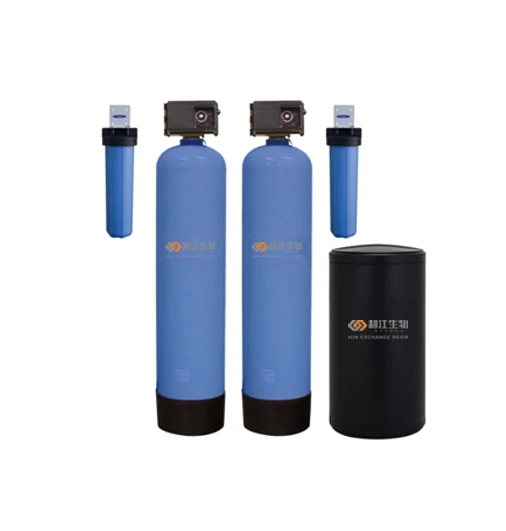
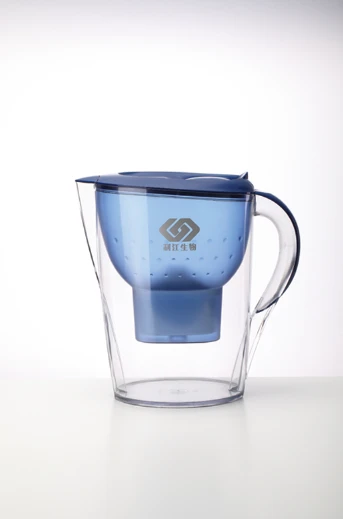
The Global Importance of Exchange of Ions: Why It Matters Today At first glance, exchange of ions might sound like a textbook chemistry concept tucked away in a lab, but in reality, it's woven deeply into the fabric of modern industry, environmental science, and even humanitarian work. Across the globe, the dynamics of ion exchange shape everything from water purification to soil management and medical treatments. Why should we care? Because the global challenges we face—clean water scarcity, environmental pollution, sustainable agriculture—often hinge on efficiently swapping ions to remove harmful substances or boost essential nutrients. Understanding the exchange of ions is more than academic; it’s a key that helps unlock solutions to pressing problems with far-reaching social and economic benefits. Mini takeaway: The exchange of ions is a silent workhorse behind many technologies and environmental remedies vital to global well-being. Global Context: The Challenge of Water and Soil Quality The United Nations reports that over 2 billion people worldwide lack access to safely managed drinking water. Contaminants such as heavy metals and nitrates frequently pollute water and soil systems, posing health risks and threatening food security. In industrial and agricultural hubs—from Southeast Asia to sub-Saharan Africa—the need to address ion contamination and nutrient deficiencies is urgent. For example, the World Bank highlights that waterborne diseases cost developing economies billions annually in lost productivity and healthcare expenses. Ion exchange addresses such challenges directly, serving as a cost-effective, scalable process for removing or replacing unwanted ions. Think of it as a natural handshake—negotiating a new "currency" of ions to restore balance and safety. Mini takeaway: Ion exchange is a frontline solution to global water and soil challenges, supported by international data and sustainable goals. What Exactly Is Exchange of Ions? In simple terms, exchange of ions refers to a process where ions (charged particles) in one material swap places with ions in another. This typically happens in systems like resins, soils, or biological membranes. For instance, in water purification, harmful ions like lead (Pb 2+ ) can be replaced by less harmful sodium ions (Na + ) through ion exchange resins. This action purifies the water without introducing harmful chemicals or complex machinery. Connections to industry are clear: it's used in chemical processing, pharmaceutical production, agriculture, and environmental cleanup. On the humanitarian front, it's crucial in post-disaster water sanitation, ensuring communities get safe, drinkable water quickly. Mini takeaway: Ion exchange is a simple yet versatile process critical to many industries and essential for health and environmental sustainability. Key Factors in the Exchange of Ions Process 1. Selectivity and Capacity Not all ions exchange equally. The materials involved—often synthetic or natural resins—have varying selectivity for certain ions over others. Higher capacity resins can hold more ions before needing regeneration, which boosts efficiency. 2. Durability and Regeneration Cycles In practical use, ion exchangers need to last through multiple cycles where ions get swapped and the material is “reset.” Durability dictates the lifespan and operational costs. Some resins survive hundreds of cycles, making a massive difference in long-term sustainability. 3. Cost Efficiency Upfront material costs and operational expenses like regenerants (chemicals that refresh ion-exchange materials) influence adoption. It’s a fine balance between performance and affordability—which governments or industries can't ignore. 4. Scalability and Adaptability From large industrial plants to portable water filters, ion exchange solutions vary in size and complexity. This adaptability is crucial for deploying in remote or disaster-stricken areas. 5. Environmental Impact Using biodegradable or low-impact materials for ion exchange and minimizing waste chemicals from regeneration reflects a growing emphasis on green technologies. Mini takeaway: Understanding selectivity, durability, and cost is key to optimizing ion exchange technology for both industry and humanitarian applications. Practical Global Applications and Use Cases Water Treatment Plants : Many municipal water systems in Europe and North America utilize ion exchange for softening water and removing radioactive contaminants. Agricultural Soils : In regions like India’s Punjab, ion exchange controls nutrient retention, reducing fertilizer runoff and boosting crop yields. Post-Disaster Relief : NGOs deploy portable ion-exchange filters to rapidly provide clean water after floods or earthquakes. Industrial Waste Management : Factories in China and Brazil use ion exchange to capture toxic metals from wastewater before releasing it into the environment. Specification Typical Range Industrial Standard Ion Exchange Capacity 1.0 – 5.0 eq/L ISO 9001 Compliant Operating pH Range 2–12 - Temperature Range 5°C – 60°C - Cycle Life 200–500 regenerations Varies by resin Mini takeaway: Ion exchange applications are truly global and diverse, tailored for everything from agriculture to emergency relief. Advantages and Long-Term Value of Ion Exchange Solutions Beyond simply swapping ions, the benefits ripple through economies and communities: Cost Savings: Lower operational costs compared to chemical treatments and longer equipment lifespan. Sustainability: Reduced chemical waste and resource-efficient regeneration cycles align with environmental goals. Reliability: Proven performance reduces downtime and builds trust with users, especially in critical sectors like healthcare. Social Impact: Access to clean water and better soil health improves quality of life and dignifies vulnerable populations. Frankly, some users say that reliable ion exchange systems are a “quiet hero” in infrastructure projects: always there, often unnoticed, until your tap runs crystal clear or your crops flourish. Looking Ahead: Innovations in the Exchange of Ions Technology never stands still. Here are some exciting trends: Advanced Polymer Resins: Materials with higher selectivity and regeneration ease, reducing waste and energy use. Nanotechnology Integration: Nano-engineered exchangers promise ultra-fast ion swaps and contamination detection. Smart Monitoring Systems: Sensors and IoT devices allow real-time performance tracking, optimizing maintenance and efficiency. Green Chemistry Policies: New regulations encourage eco-friendly materials and closed-loop regeneration cycles. Challenges and How Experts Overcome Them It’s not all smooth sailing. Common issues include: Fouling and Resin Degradation: Biological growth or harsh chemicals can damage exchange materials. Waste Disposal: Regenerants generate concentrated waste streams needing careful treatment. Initial Investment Cost: High upfront cost can deter small-scale users. Innovations like bioresistant resins and modular treatment units help mitigate these challenges. Partnerships with wastewater recyclers and government subsidies also play a big role. Vendor Comparison: Selecting Right Partner for Ion Exchange Solutions Vendor Specialty Product Range Support & Service Price Range Liji Resin Co. Ion exchange resins & filtration Broad; customizable 24/7 global technical support Mid-range IonTech Intl. High-capacity industrial resins Focused on heavy industry On-site training available Premium Pure Solutions Portable and small-scale units Limited range Good customer service Budget-friendly Frequently Asked Questions About Exchange of Ions Q1: How does ion exchange differ from reverse osmosis in water treatment? A1: Ion exchange replaces specific harmful ions by swapping them with harmless ones, typically requiring resins, while reverse osmosis uses a semipermeable membrane to remove a broad range of contaminants. Ion exchange is generally more efficient for targeted ion removal and can be easier to maintain in certain settings. Q2: Can ion exchange resins be regenerated and reused? A2: Yes, most commercial ion exchange resins are designed for regeneration using chemicals like sodium chloride solutions, allowing them to be reused multiple times, often up to 500 cycles, which makes them both cost-effective and sustainable. Q3: Are ion exchange materials safe for drinking water applications? A3: When certified and properly maintained, ion exchange resins are safe and widely used in municipal and home water treatment systems to improve water quality by reducing hardness, heavy metals, and other contaminants. Q4: How quickly can ion exchange solutions be deployed in emergency settings? A4: Portable ion exchange filters can often be deployed within hours to days in disaster zones, providing immediate access to safer water while larger infrastructure is restored. Q5: What industries benefit most from ion exchange technology? A5: Key industries include water treatment, pharmaceuticals, food and beverage, mining, and agriculture—basically anywhere ion purity or nutrient management is critical. Wrapping It Up: The Quiet Power of Exchange of Ions Understanding the exchange of ions opens doors to innovations that keep our water clean, soils fertile, and industries efficient. It’s an unsung hero in environmental and industrial progress, quietly swapping ions but loudly impacting lives worldwide. If you’re curious to see leading-edge ion exchange solutions in action, visit Liji Resin’s website —they’re setting standards in quality and adaptability. Thank you for reading — a little chemistry, a big impact. References United Nations Water Scarcity Report Wikipedia: Ion Exchange ISO 9001 Standard for Quality Management Systems
-
 Strong R & D Capability And Experienced Technical Team
-
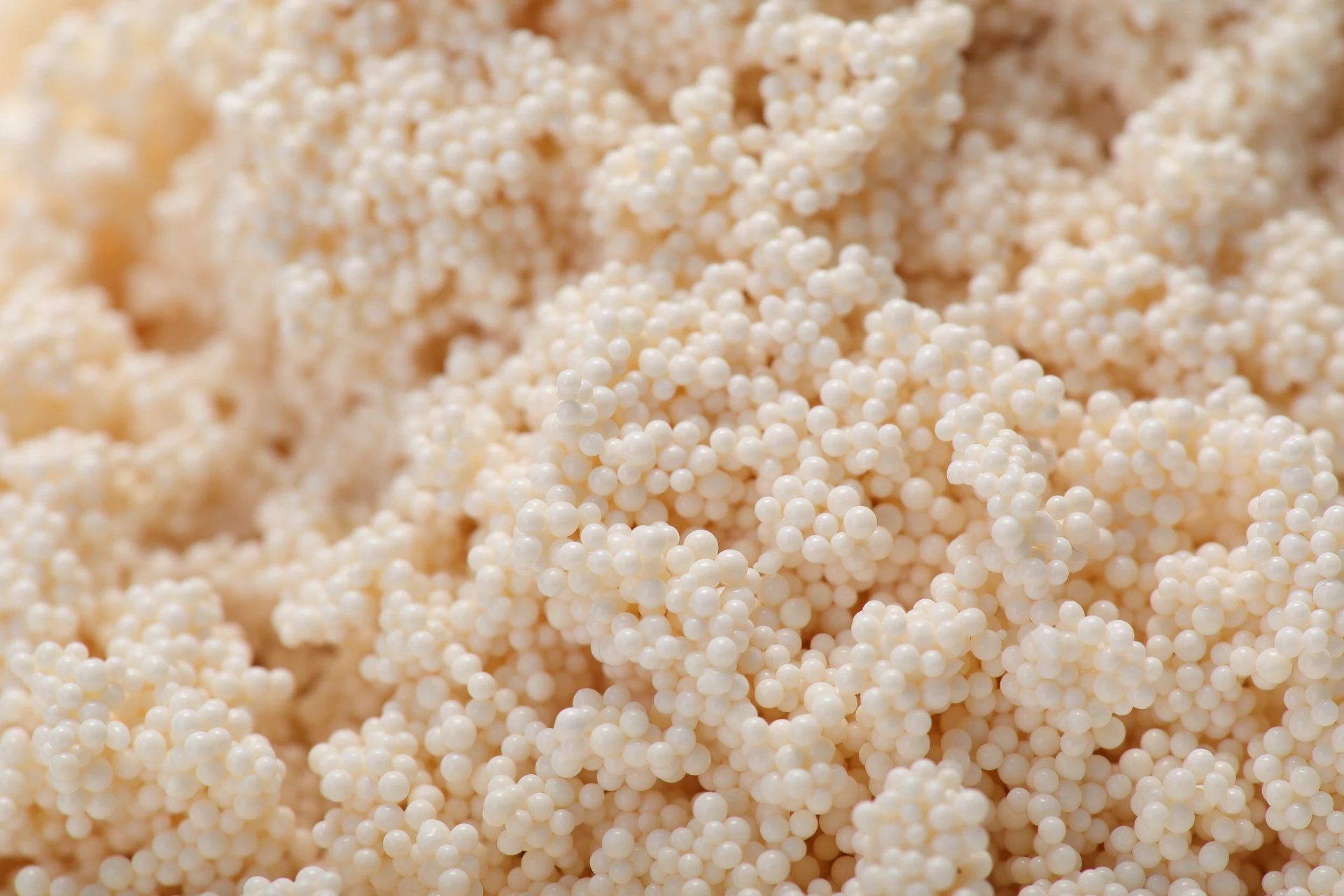
Provide Customers With Competitive And Differentiated Products